What is a computer virus?
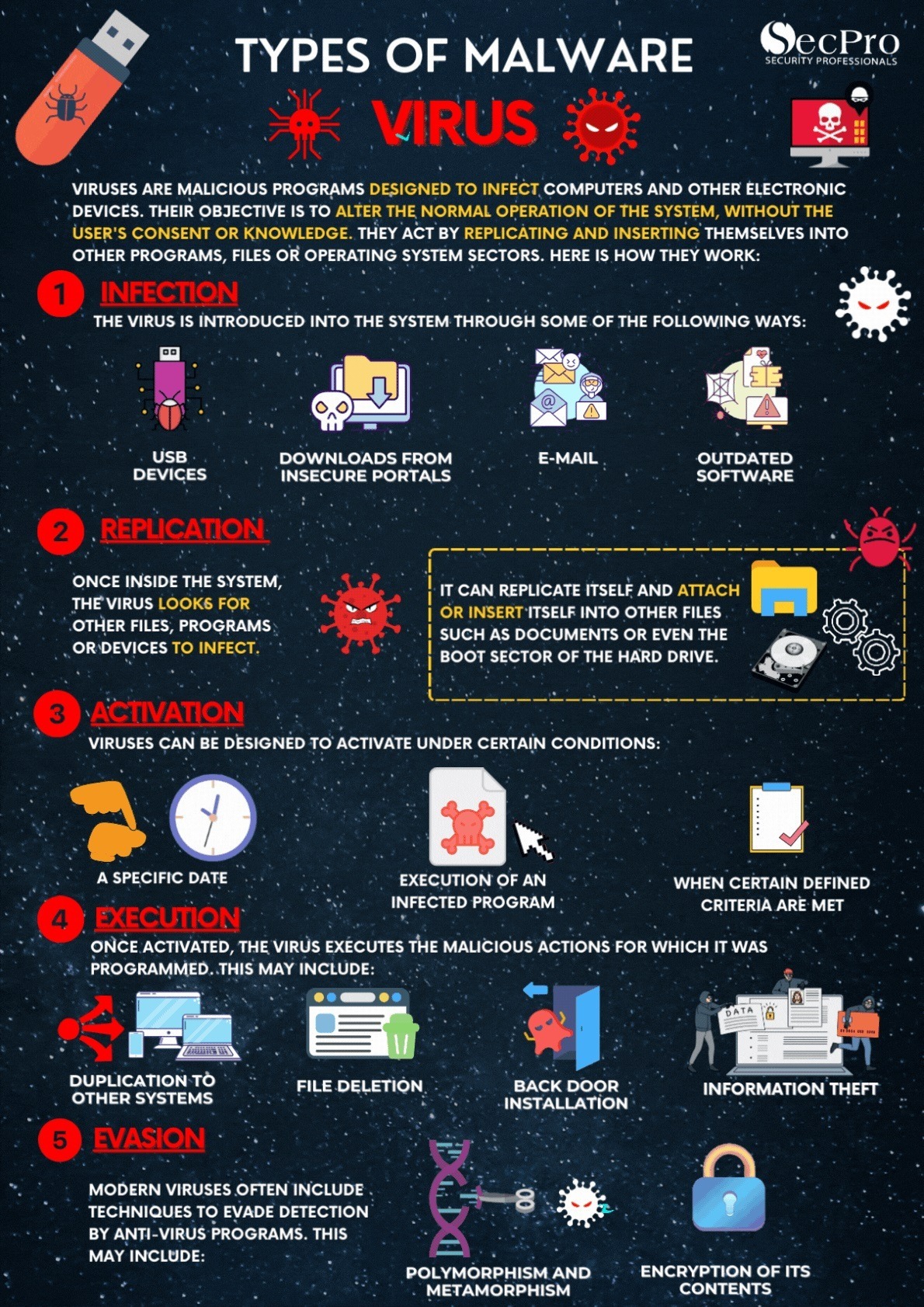
A virus is malicious code that embeds itself inside another legitimate file or program and needs someone to run it in order to activate. That dependence on a host is what defines it: it does not travel on its own. Once executed, it copies its code into other files and spreads the infection.
Virus, worm and trojan are not the same
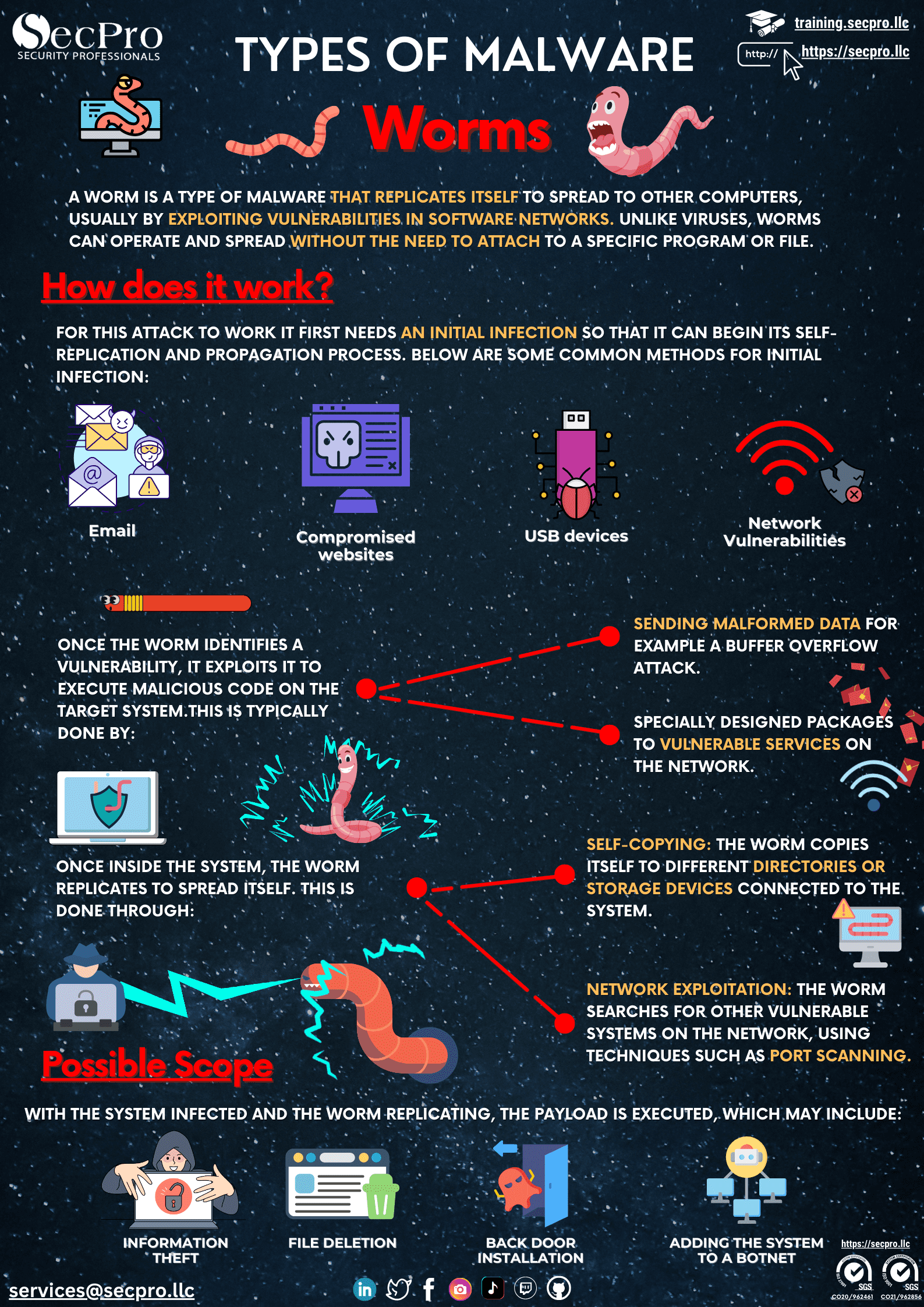
A virus requires a host file and a user action. A worm spreads by itself across the network by exploiting vulnerabilities, with no human intervention. A trojan does not replicate: it disguises itself as legitimate software so the victim installs it willingly. Confusing them leads to choosing the wrong defense.
How to protect yourself
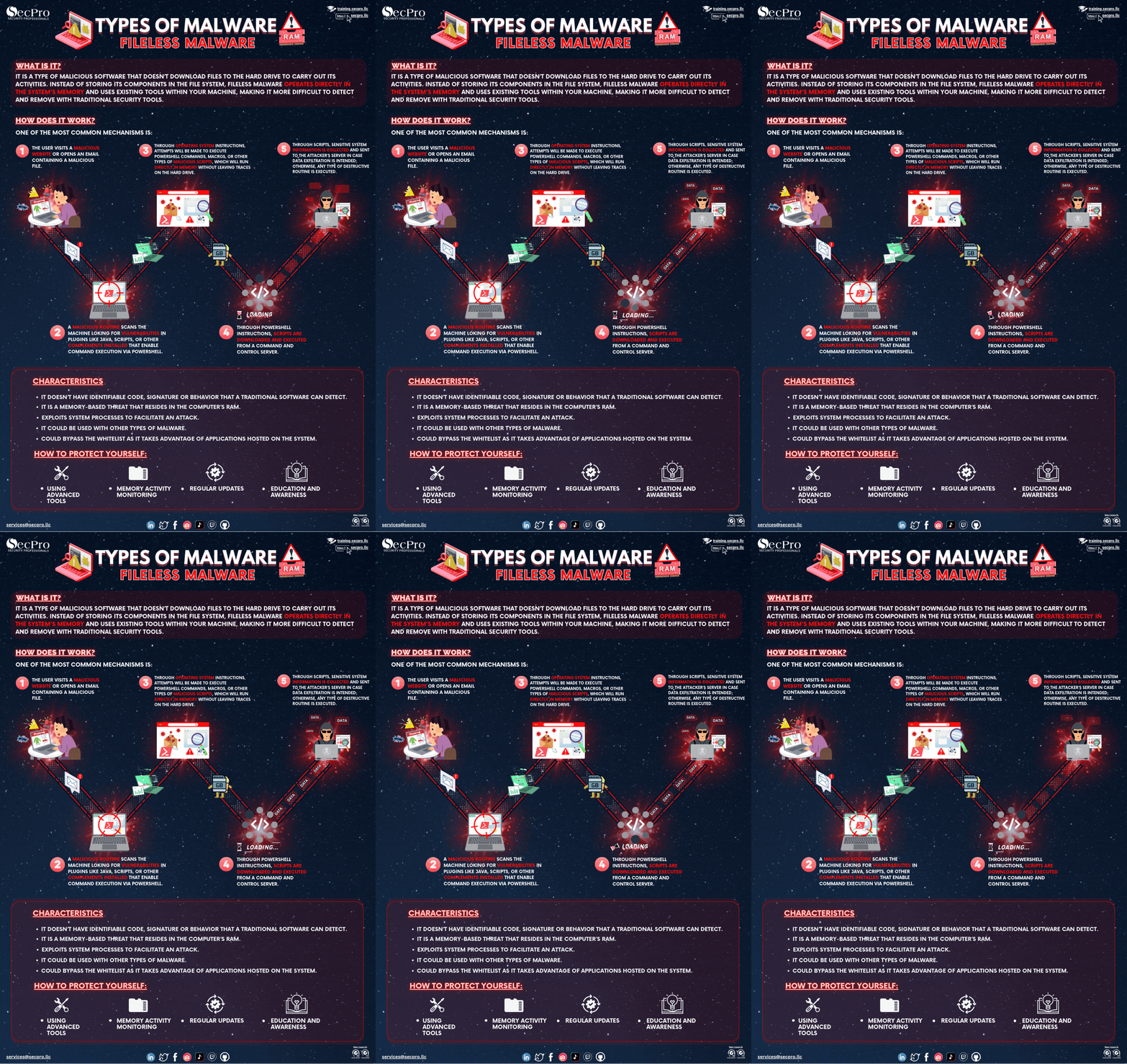
Keep the operating system and applications patched, use anti-malware with real-time scanning, distrust unsolicited attachments and executables, disable macros by default in office documents, and keep isolated backups that allow recovery without paying or improvising.
Learn more